


Usually 1–3 days after LASIK, depending on your job type. Your doctor will guide you post-surgery.
- response@anileyehospital.com
- +91-97694 83796
- Mon - Sat: 09 AM - 09 PM
Welcome to the Spectacle Removal Center of Anil Eye Hospital – the trusted name in vision correction surgeries using the latest laser technology, experienced surgeons, and personalized care.

LASIK (Laser-Assisted in Situ Keratomileusis) is a quick, safe, and effective laser vision correction procedure that reshapes the cornea to correct:
It eliminates or significantly reduces the need for glasses or contact lenses.
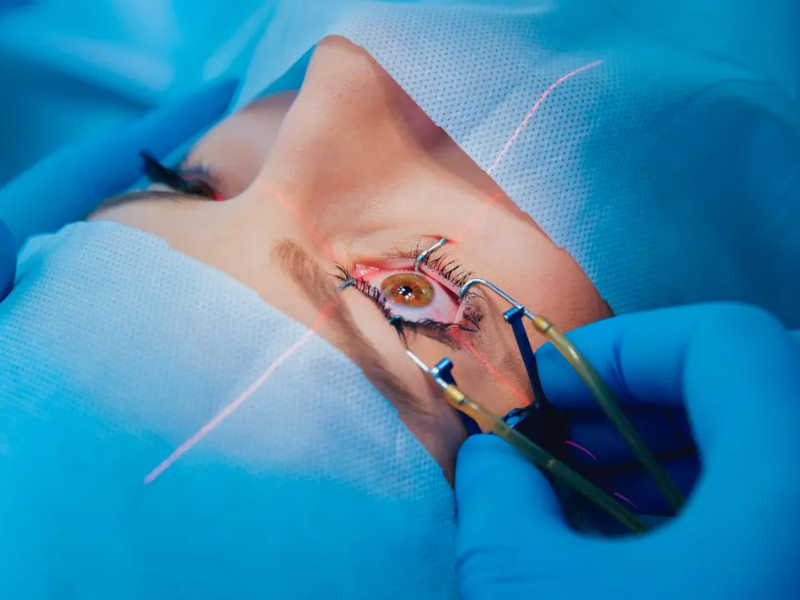
Performed using the German Schwind technology, this procedure uses a precision blade (microkeratome) to create a thin flap on the cornea. The flap is gently lifted, and a laser reshapes the underlying corneal tissue to correct your vision.

A femtosecond laser creates a smooth and precise corneal flap without using any blade. The excimer laser then reshapes the cornea for accurate vision correction.

No flap is created in this technique. Instead, the laser directly reshapes the surface of the cornea after gently removing the thin outer layer (epithelium), which naturally grows back in a few days.
You may be eligible for LASIK if:
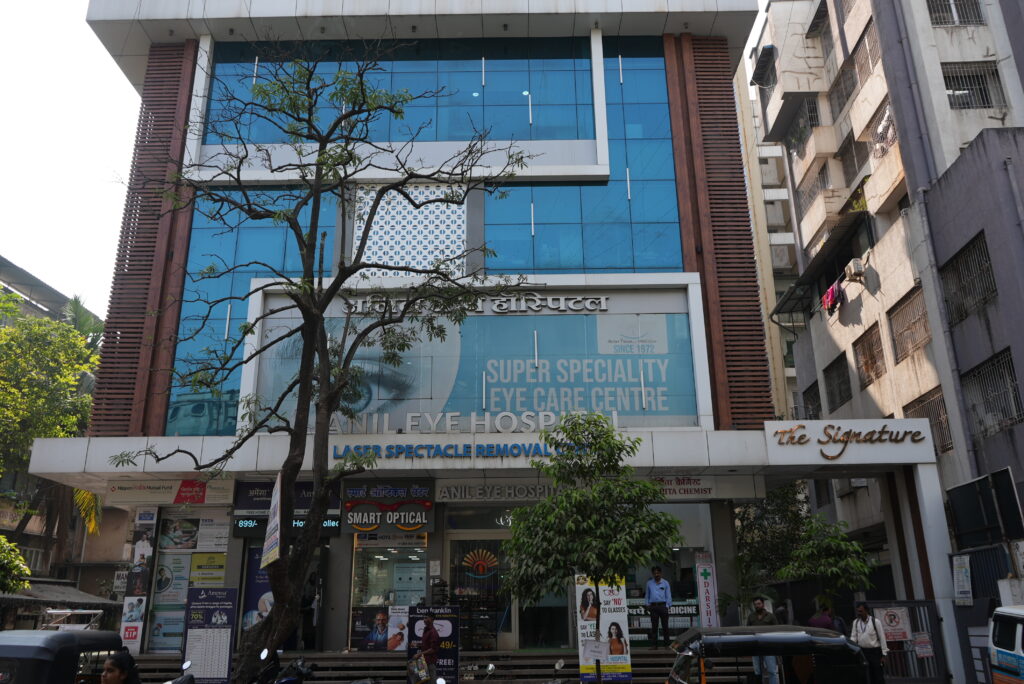
• Patient-friendly, hygienic, and comfortable facility
• Excellent connectivity from Dombivli station
• Trusted brand with multiple eye hospitals across Thane District
• Trusted Eye Specialists Near You
Anil Eye Hospital, Dombivli West, is committed to providing safe, accurate, and compassionate eye care for patients of all age groups—from children to senior citizens.
| Feature | 🔹 Blade LASIK | ✨ Femto LASIK | 🌿 PRK (Touchless) |
|---|---|---|---|
| Blade Usage | Yes (Microkeratome) | No (100% bladeless) | No blade or flap |
| Precision & Safety | High | Ultra-high | High |
| Recovery Time | 2–3 Days | 1–2 Days | 4–5 Days |
| Suitability | Most patients | Premium option | Thin corneas, active jobs |
| Cost | 💰 Economical | 💎 Slightly higher | 💸 Similar to both LASIK types |

Every LASIK candidate at Anil Eye Hospital undergoes a detailed evaluation to ensure safe and successful results.
Pre Lasik Workup Includes:
This helps us determine whether you’re fit for LASIK, Femto LASIK, or PRK.

Pentacam is a specialized imaging device used in ophthalmology to create detailed maps of the cornea, the front surface of the eye. It helps eye doctors assess various aspects of the cornea, such as its shape, thickness, and curvature.
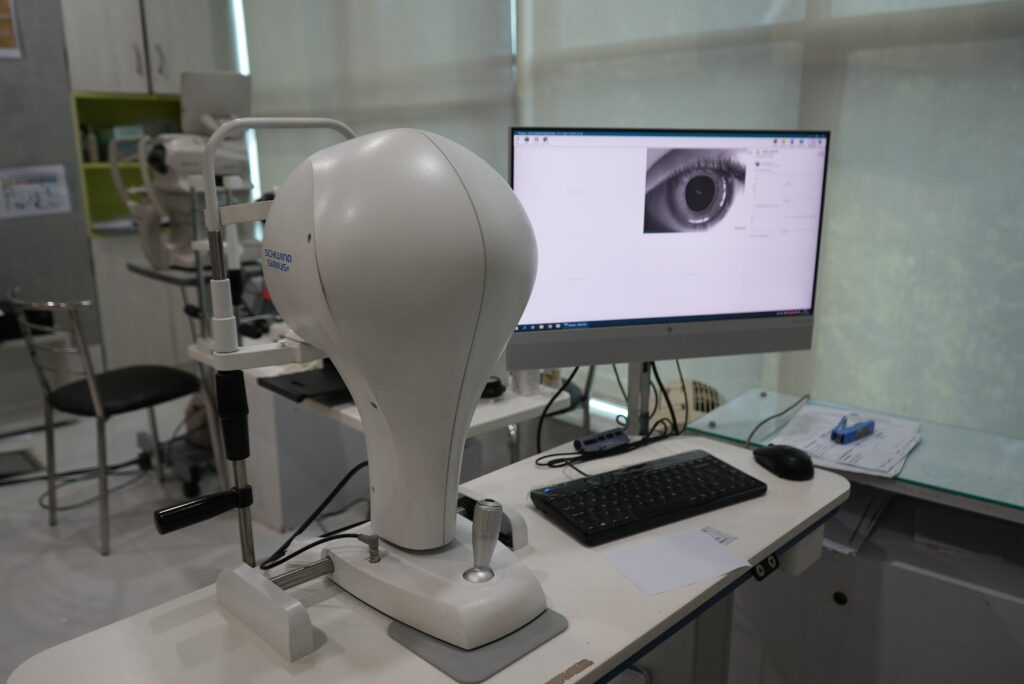
Corneal topography is a diagnostic tool that maps the surface of the cornea, which is the clear front part of the eye. It creates a detailed, three-dimensional image of the cornea’s shape and curvature.

Optical Coherence Tomography (OCT) is a non-invasive imaging technique that uses light waves to create detailed cross-sectional images of the tissues inside your body.
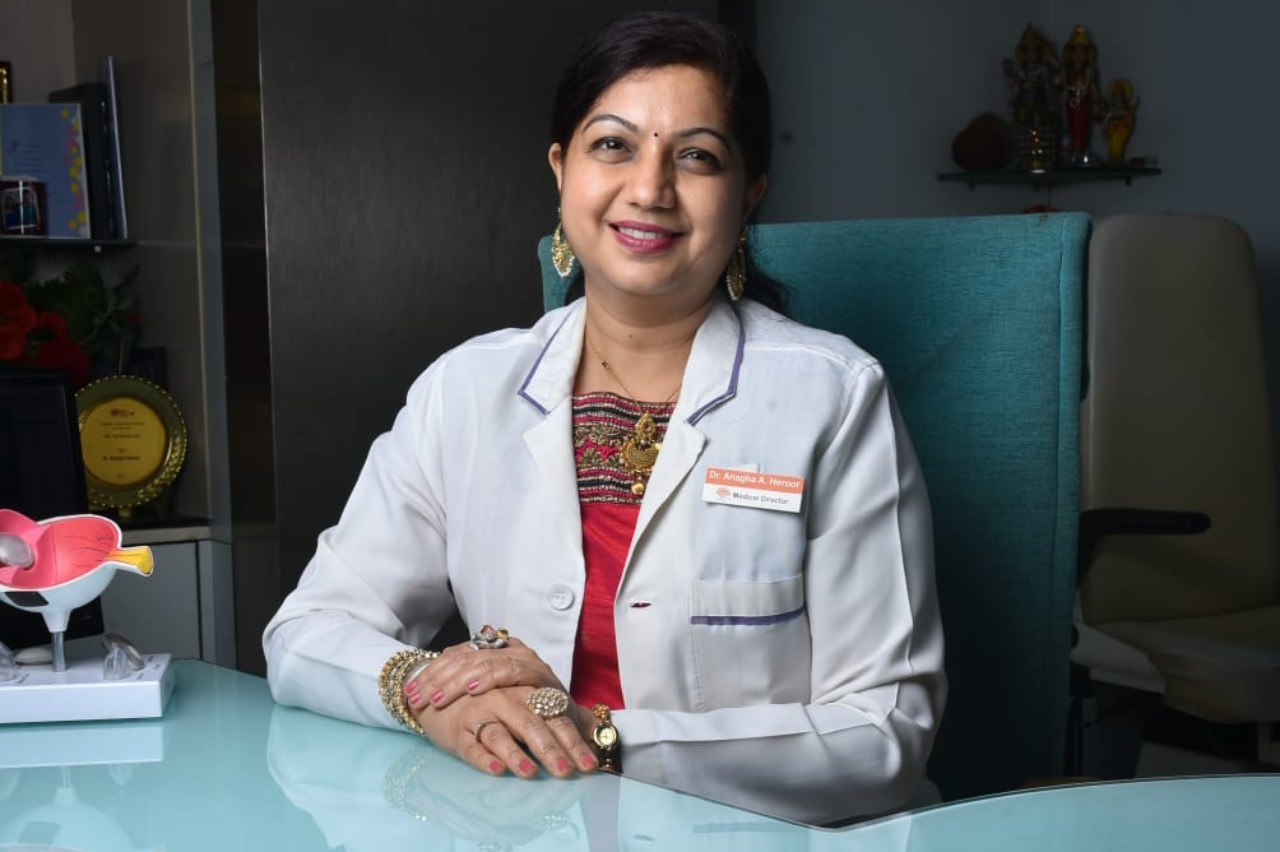
Dr Anagha Heroor is the Managing Director of Anil Eye Hospital Group – Dombvili, Palava, Kalyan, and Thane. She is a well-known and one of the most experienced ophthalmologists in India known for her immense ophthalmological work over the past three decades.
Dr Heroor, completed her MBBS from Lokmanya Tilak Municipal Medical College, Sion, Mumbai, with 1 st Rank. Further she completed her DOMS, MS, FCPS & DNB from same the Institute and was
the university topper.
She has received many gold medals at all stages of her academic career.
Our Team will get in touch with you within 24 hours. For Emergency kindly contact directly to provided numbers.
Simply reserve a time slot, walk in at the appointed time and get prioritized treatments at no extra cost.
+91-97694 83796
+91-9321301326
+91-9372979369
+91-8169751850
+91-9167430255
+91-9082238973
+91-9167436417
response@
anileyehospital.com
Mon - Sat: 09 AM - 09 PM
Kalyan Branch - Sunday: 10 AM - 02 PM
Find answers to common questions about our advanced cataract procedures and what to expect during your journey to clearer vision.
LASIK is a type of laser eye surgery to remove the spectacle number. It stands for Laser Assisted In-situ Keratomileusis. This means to change the shape of the cornea by means of laser to correct your refractive error.
No. It’s a painless, 10-minute procedure under numbing drops.
Most patients see clearly within 24–48 hours after surgery.
Yes. In most cases, LASIK offers permanent correction, especially if done after power has stabilized.
Blade LASIK uses a microkeratome, while Femto LASIK uses a laser to create the flap. Both are safe – your doctor will guide you on what’s best for your eyes. Femto LASIK has more safety, accuracy and precision.
Mild dry eye is manageable, but severe dry eyes may need treatment before surgery or PRK may be advised instead.
PRK is flapless and suits people with thin corneas, contact sports involvement, or early corneal irregularities.
Usually 1–3 days after LASIK, depending on your job type. Your doctor will guide you post-surgery.