- response@anileyehospital.com
- +91-97694 83796
- Mon - Sat: 09 AM - 09 PM
At Anil Eye Hospital, we understand that children’s eyes are unique and constantly developing, requiring specialized care. That’s why we have a dedicated Pediatric Ophthalmology Department led by experienced Pediatric Eye Specialists and supported by trained Pediatric Optometrists.
From routine eye check-ups to advanced care for myopia, pediatric cataract, squint, and more — we ensure that your child receives the best vision care in a child-friendly environment.
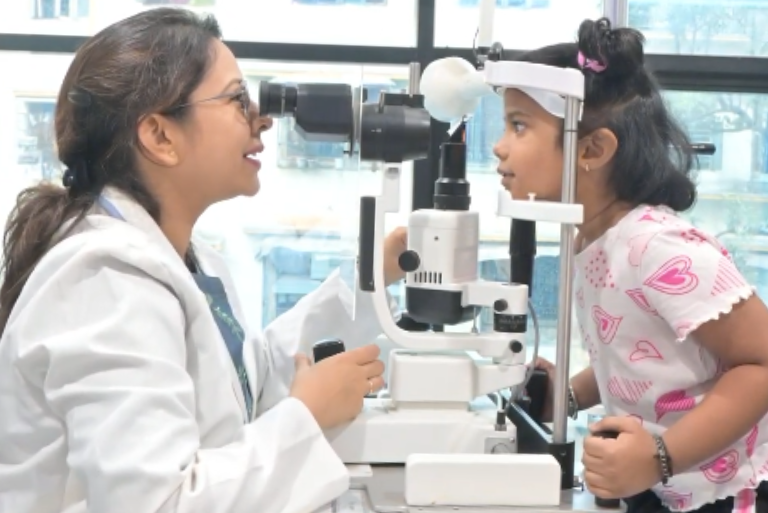
Hyperopia, commonly known as farsightedness, is a vision condition that affects children’s ability to see nearby objects clearly.
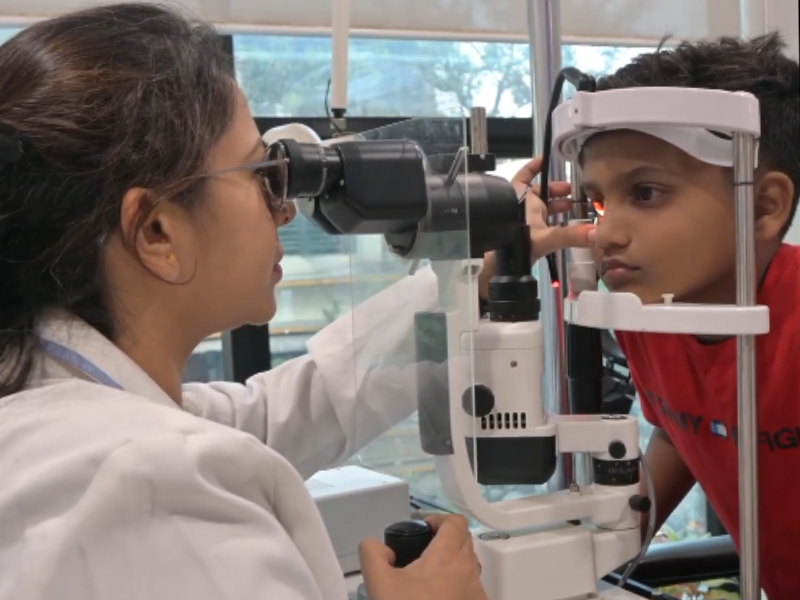
Myopia, also called “nearsightedness,” is a common vision problem in which children and people of all ages have trouble seeing things that are far away but are clear up close.
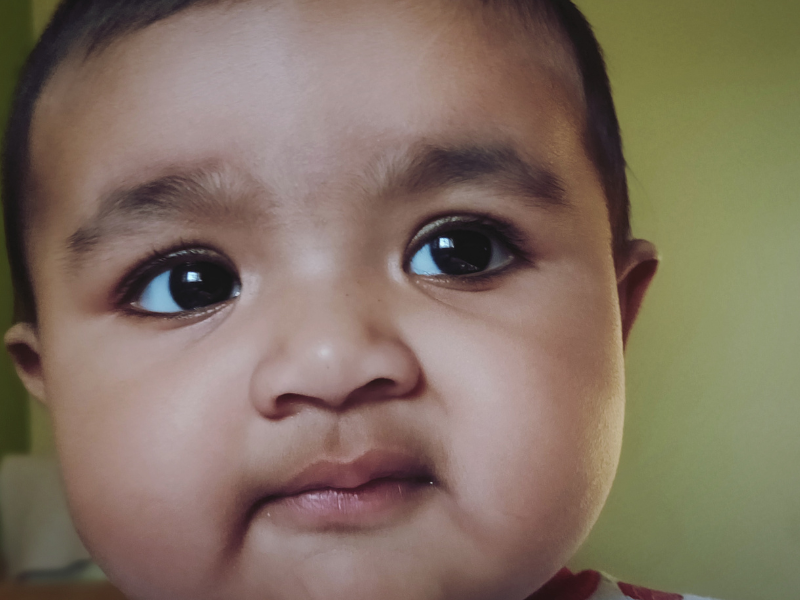
Our team is well-versed in diagnosing and treating various pediatric eye conditions, such as:

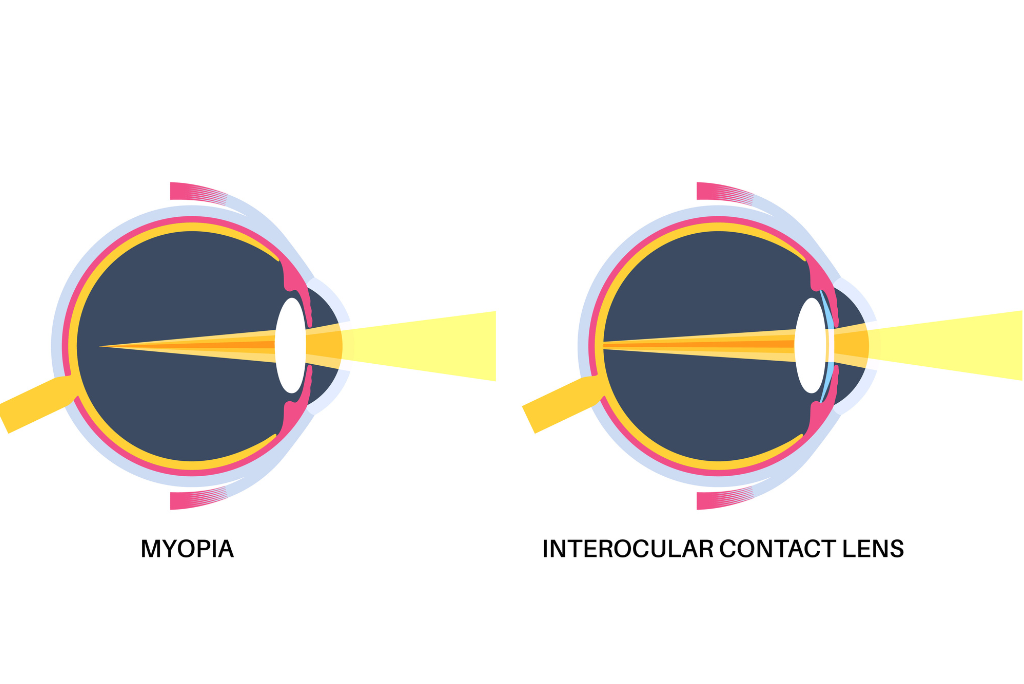
Myopia is a common eye condition where distant objects appear blurry, while near objects are clear. It usually starts in childhood and can progress rapidly if not controlled, increasing the risk of eye diseases later in life.
Our Dedicated Myopia Work-Up Includes:
Myopia Management Treatments:
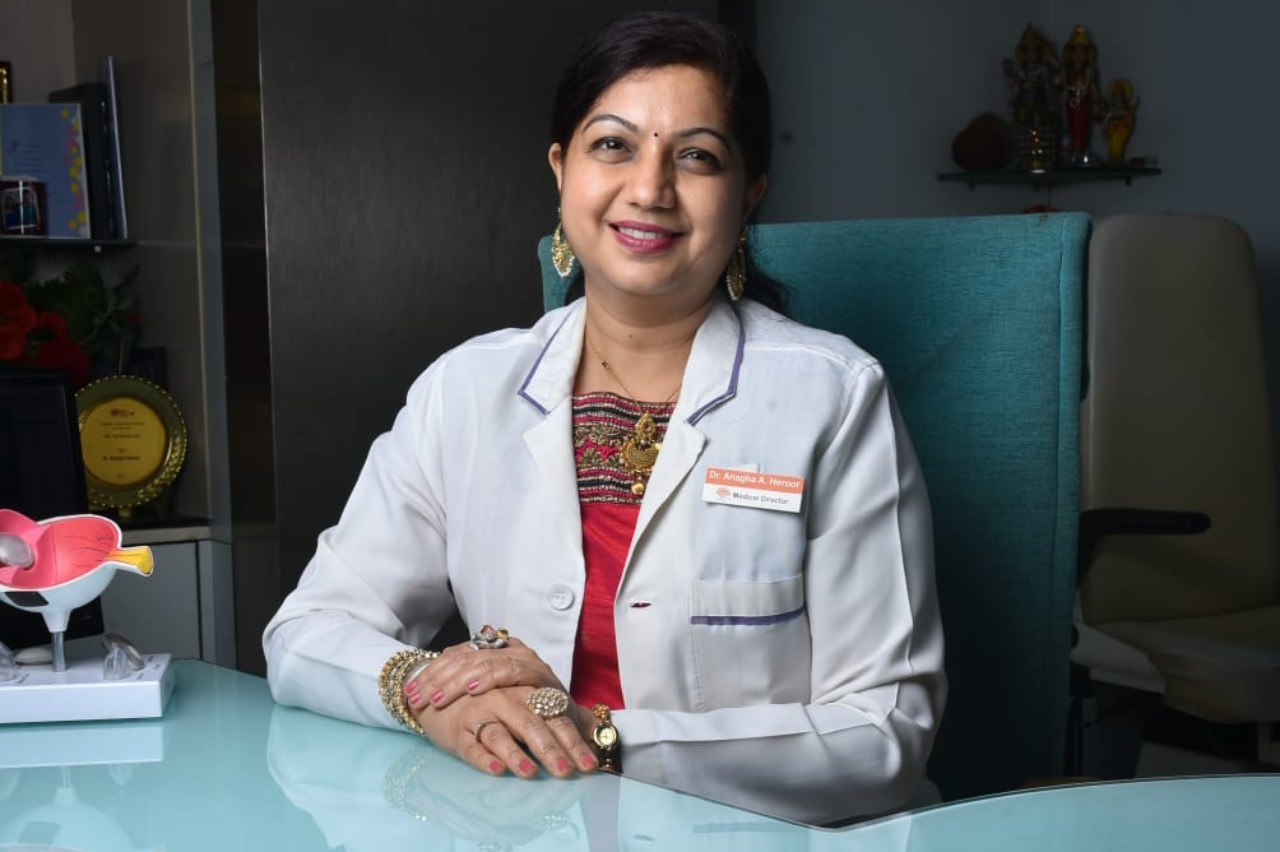
Dr Anagha Heroor is the Managing Director of Anil Eye Hospital Group – Dombvili, Palava, Kalyan, and Thane. She is a well-known and one of the most experienced ophthalmologists in India known for her immense ophthalmological work over the past three decades.
Dr Heroor, completed her MBBS from Lokmanya Tilak Municipal Medical College, Sion, Mumbai, with 1 st Rank. Further she completed her DOMS, MS, FCPS & DNB from same the Institute and was
the university topper.
She has received many gold medals at all stages of her academic career.
Our Team will get in touch with you within 24 hours. For Emergency kindly contact directly to provided numbers.
Simply reserve a time slot, walk in at the appointed time and get prioritized treatments at no extra cost.
+91-97694 83796
+91-9321301326
+91-9372979369
+91-8169751850
+91-9167430255
+91-9082238973
+91-9167436417
response@
anileyehospital.com
Mon - Sat: 09 AM - 09 PM
Kalyan Branch - Sunday: 10 AM - 02 PM
Find answers to common questions about child eye care and what to expect during your journey to clearer vision.
As early as 6 months, then again at 3 years, and annually if no issues are found.
Squinting, sitting too close to screens, poor school performance, rubbing eyes frequently, or complaining of headaches.
No, but it can be controlled to reduce progression using specialized lenses, drops, and lifestyle changes.
Yes, in many cases with glasses, vision therapy, or exercises. Surgery is considered if non-surgical options don’t work.
Yes. Early intervention is critical to prevent permanent vision loss.