Blogs

Artificial Intelligence and Machine Learning in diagnostics

AI and ML in diagnostics

In recent years, the field of eye health has witnessed remarkable advancements, thanks to the integration of artificial intelligence (AI) and machine learning (ML) into diagnostic tools and techniques. These technological breakthroughs are transforming the way we detect, diagnose, and treat eye-related conditions, ultimately improving patient outcomes and quality of life.

AI and ML in diagnostics

AI and ML

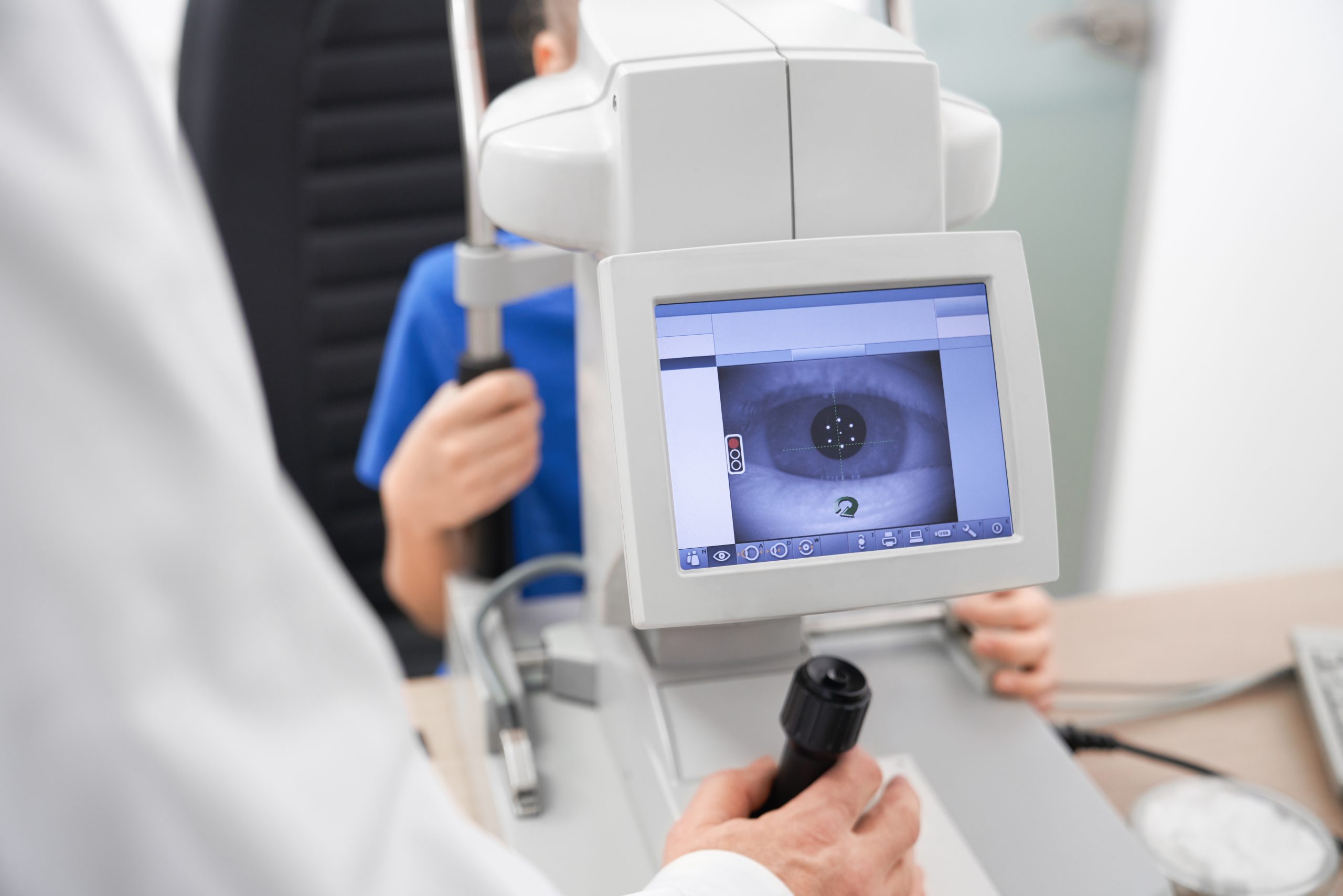
One of the most promising applications of AI and ML in eye health is in the early detection of diseases such as diabetic retinopathy and age-related macular degeneration (AMD). AI-driven algorithms can analyze retinal images with unparalleled accuracy, detecting subtle changes that might escape the human eye. This early diagnosis enables timely interventions, preventing vision loss and enhancing patients’ overall well-being.


Furthermore, AI-powered telemedicine is revolutionizing eye care accessibility. Patients in remote or underserved areas can now access eye screenings and consultations through smartphone apps or web platforms. These applications employ ML algorithms to interpret images or videos of the eye, providing preliminary assessments and connecting patients with specialists when needed.

AI and ML in diagnostics

AI is also reshaping the field of refractive surgery. Surgeons can now use AI to customize laser vision correction procedures like LASIK, ensuring optimal outcomes for each individual. These algorithms consider unique corneal characteristics, patient preferences, and historical data to enhance the precision of these procedures.


Additionally, AI-driven virtual reality (VR) tools are revolutionizing vision therapy. Patients recovering from eye surgeries or suffering from conditions like amblyopia can engage in personalized VR exercises that adapt to their progress, speeding up recovery and improving visual function.

AI and ML in diagnostics

In conclusion, the integration of AI and ML in eye-related diagnostics represents a transformative shift in the field of eye health. These technologies enable earlier disease detection, improve accessibility to eye care, enhance surgical precision, and optimize vision therapy. As AI and ML continue to evolve, we can anticipate even more groundbreaking innovations that will contribute to preserving and improving the precious gift of sight

Recent Post

Affordable Squint Eye Treatment in Kalyan: Fix It Before It Gets Worse

Affordable Squint Eye Treatment in Kalyan: Fix It Before It Gets Worse

Squint eye treatment in Kalyan is not very difficult if done at the right time by people. This eye disease is…

Best Eye Doctor in India | Anil Eye Hospital

Best Eye Doctor in India | Anil Eye Hospital

When it comes to securing your eyesight, choosing the best eye doctor in India turns out to be one of the…

Best Eye Doctor in Mumbai | Anil Eye Hospital

Best Eye Doctor in Mumbai | Anil Eye Hospital

Best eye doctor in Mumbai – this is usually the first step that people take on their quest for optimal eye…

Share it :

Newsletter

Join 60,000+ Subscribers and get a new discount coupon every saturday

Latest Post

Book Appointment

Contact Form