- response@anileyehospital.com
- +91-97694 83796
- Mon - Sat: 09 AM - 09 PM
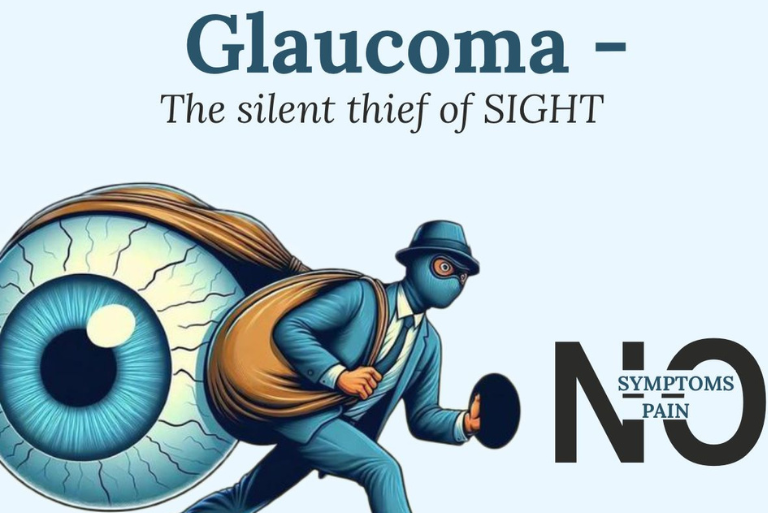
Glaucoma, known as the “silent thief of vision,” is one of the leading causes of permanent blindness worldwide. It causes slow, painless damage to the optic nerve, often without noticeable symptoms until significant vision is lost. That’s why early detection and regular eye exams are critical.
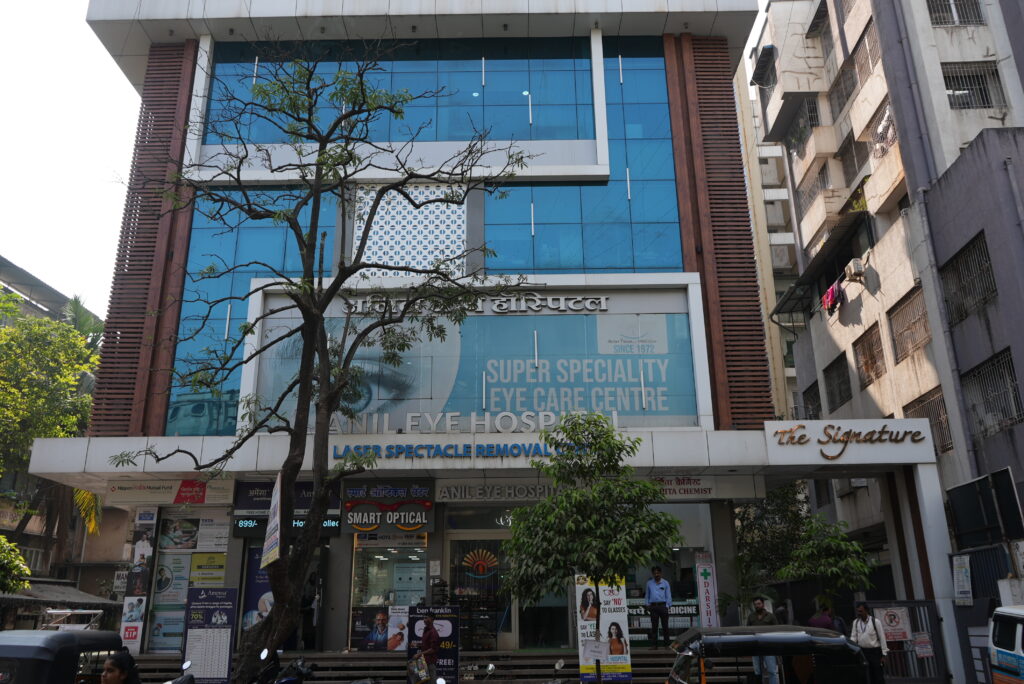
At Anil Eye Hospital, our Glaucoma Clinic is fully equipped to diagnose and treat all types of glaucoma using advanced machines, expert care, and customized treatment plans.
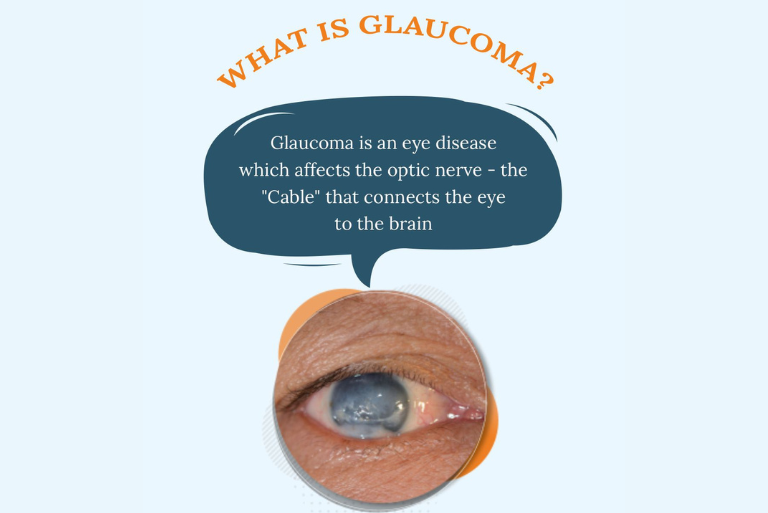
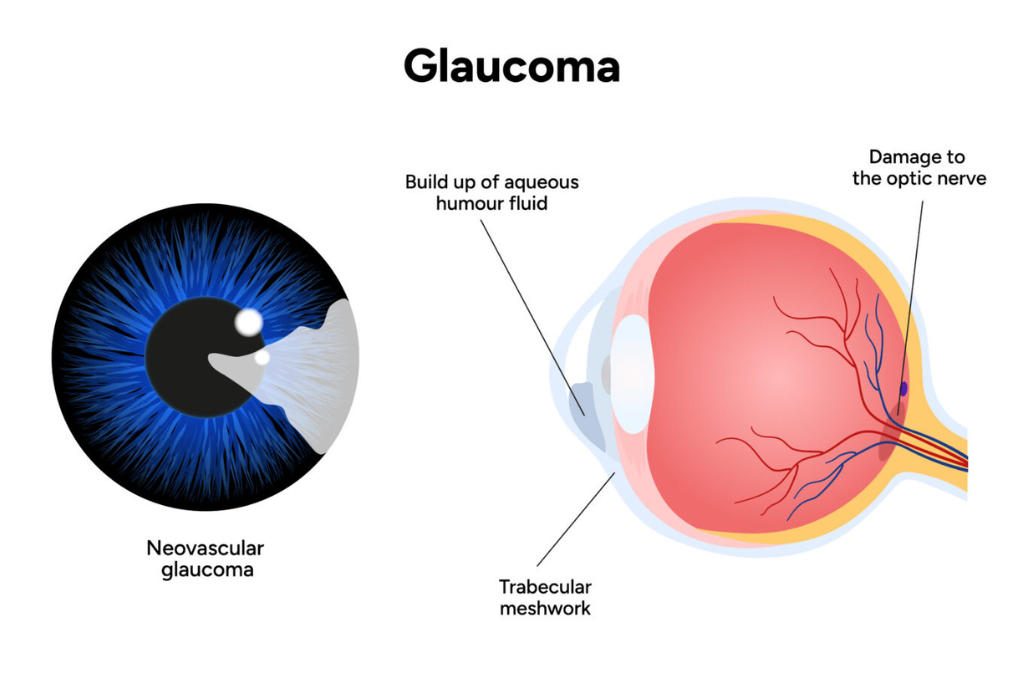
Glaucoma is a group of eye diseases where pressure builds up inside the eye and damages the optic nerve, which sends visual signals to the brain. Without timely treatment, this leads to irreversible vision loss, starting from the edges (peripheral vision) and progressing inward.
Is Glaucoma Hereditary?
Yes. Family history is a major risk factor. If your parents or siblings have glaucoma, your chances increase significantly. Early screening is recommended if you’re over 40 and have a family history.
Understanding the type of glaucoma helps in choosing the right treatment:
Full-service clinic with latest technology
Experienced glaucoma specialists
Advanced diagnostics: OCT, Perimetry, IOP testing, Fundus Imaging
Medical, laser & surgical treatment options
Convenient locations: Thane, Kalyan, Dombivli, Badlapur
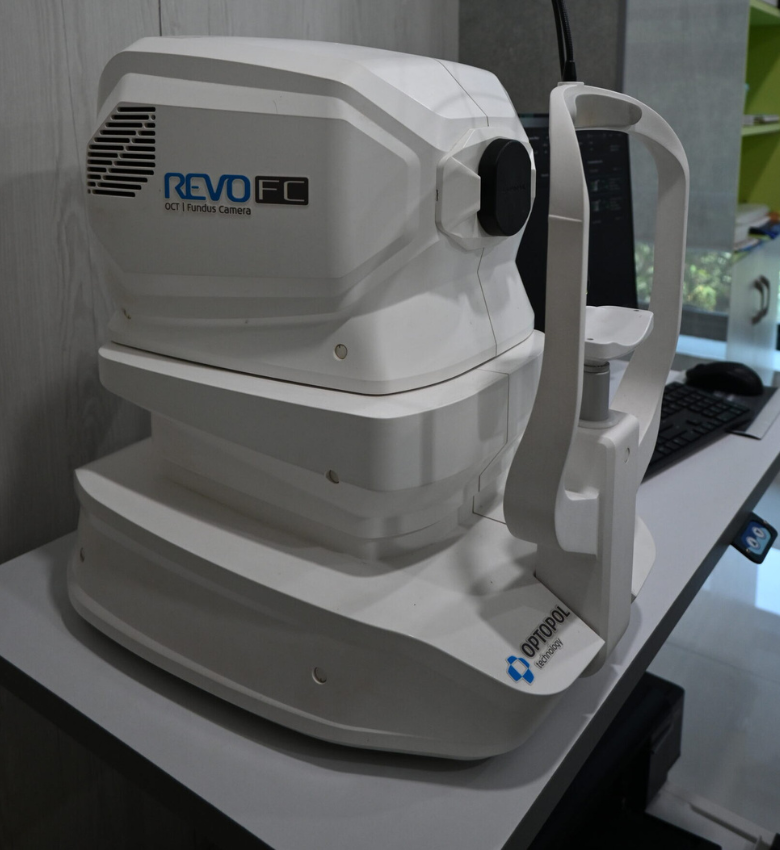
We use the latest diagnostic tools for early detection and accurate monitoring:
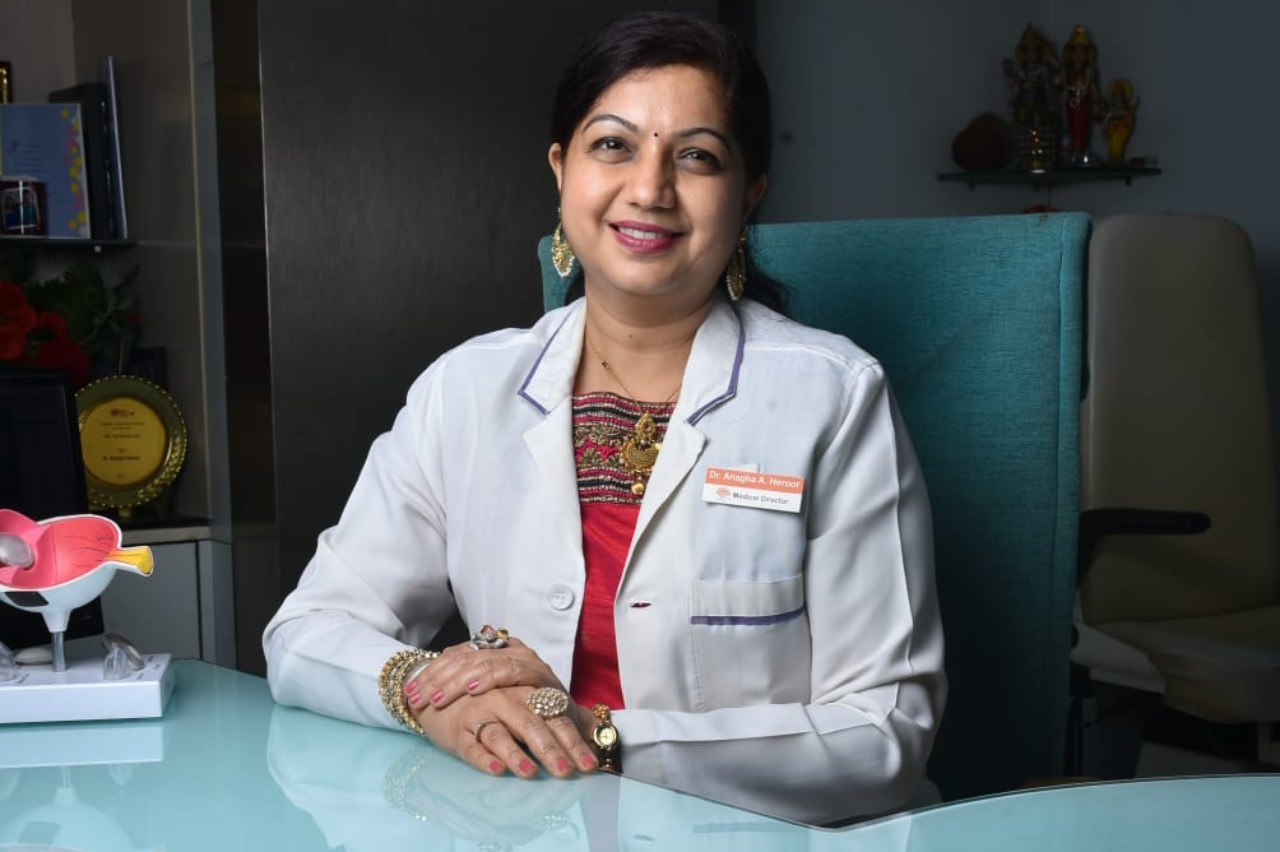
Dr Anagha Heroor is the Managing Director of Anil Eye Hospital Group – Dombvili, Palava, Kalyan, and Thane. She is a well-known and one of the most experienced ophthalmologists in India known for her immense ophthalmological work over the past three decades.
Dr Heroor, completed her MBBS from Lokmanya Tilak Municipal Medical College, Sion, Mumbai, with 1 st Rank. Further she completed her DOMS, MS, FCPS & DNB from same the Institute and was
the university topper.
She has received many gold medals at all stages of her academic career.
Our Team will get in touch with you within 24 hours. For Emergency kindly contact directly to provided numbers.
Simply reserve a time slot, walk in at the appointed time and get prioritized treatments at no extra cost.
+91-97694 83796
+91-9321301326
+91-9372979369
+91-8169751850
+91-9167430255
+91-9082238973
+91-9167436417
response@
anileyehospital.com
Mon - Sat: 09 AM - 09 PM
Kalyan Branch - Sunday: 10 AM - 02 PM
Find answers to common questions about our advanced cataract procedures and what to expect during your journey to clearer vision.
No, but it can be controlled. Vision loss cannot be reversed, so early diagnosis is key.
Open-angle glaucoma is usually painless. However, angle-closure glaucoma can cause severe pain, redness, and nausea.
If you're over 40, once every 1–2 years. More frequently if you're high-risk.
We check your eye pressure, optic nerve, and side vision using advanced machines like OCT, perimetry, and tonometry.
Yes, but after a short rest period as advised by your doctor. Recovery depends on the type of surgery.
Some may cause eye redness, dryness, or darkening of the eyelid/iris. These can usually be managed