

Blogs

Understanding Main Symptoms of Neuro-Ophthalmology Disorders?

neuro-ophthalmology disorders

Understanding Main Symptoms of Neuro-Ophthalmology Disorders?

Neuro-Ophthalmology Disorders: Neuro-ophthalmology is a specialized field that bridges the gap between neurology and ophthalmology, focusing on visual problems related to the nervous system. These conditions can be complex and may manifest in various ways, affecting your vision and overall neurological function. In this blog, we’ll explore some of the primary symptoms of neuro-ophthalmology disorders to help you better understand and recognize these conditions.

neuro-ophthalmology disorders

Neuro-Ophthalmology Disorders: Understanding Main Symptoms

Below are some symptoms of neuro-ophthalmology disorders
  • Sudden Vision Loss:
    One of the most alarming symptoms that can indicate a neuro-ophthalmological issue is sudden vision loss. This can occur in one or both eyes and may be complete or partial. Conditions like optic neuritis, which is an inflammation of the optic nerve, can cause this symptom. It often presents with pain on eye movement and can be associated with diseases such as multiple sclerosis.
  • Double Vision (Diplopia):
    Double vision, or diplopia, is another common symptom. It can be due to various underlying causes, including nerve palsies, which affect the muscles that control eye movement. Diplopia can be horizontal, vertical, or diagonal and is usually a sign that the nerves controlling the eye muscles are not functioning properly.
  • Visual Field Defects:
    Patients may experience visual field defects, where part of their vision is missing or blurred. This can present as tunnel vision, where peripheral vision is lost, or as a scotoma, a blind spot within the normal visual field. Visual field defects can be indicative of conditions such as brain tumors, strokes, or optic neuropathies.
  • Abnormal Pupil Reactions: The pupils’ response to light can provide vital clues in neuro-ophthalmology. Anisocoria, where the pupils are of unequal sizes, or a delayed pupil reaction to light can suggest a range of neurological disorders. Conditions like Horner’s syndrome or third nerve palsy can cause these abnormalities and are often associated with other symptoms like ptosis (drooping eyelid).
neuro-ophthalmology disorders
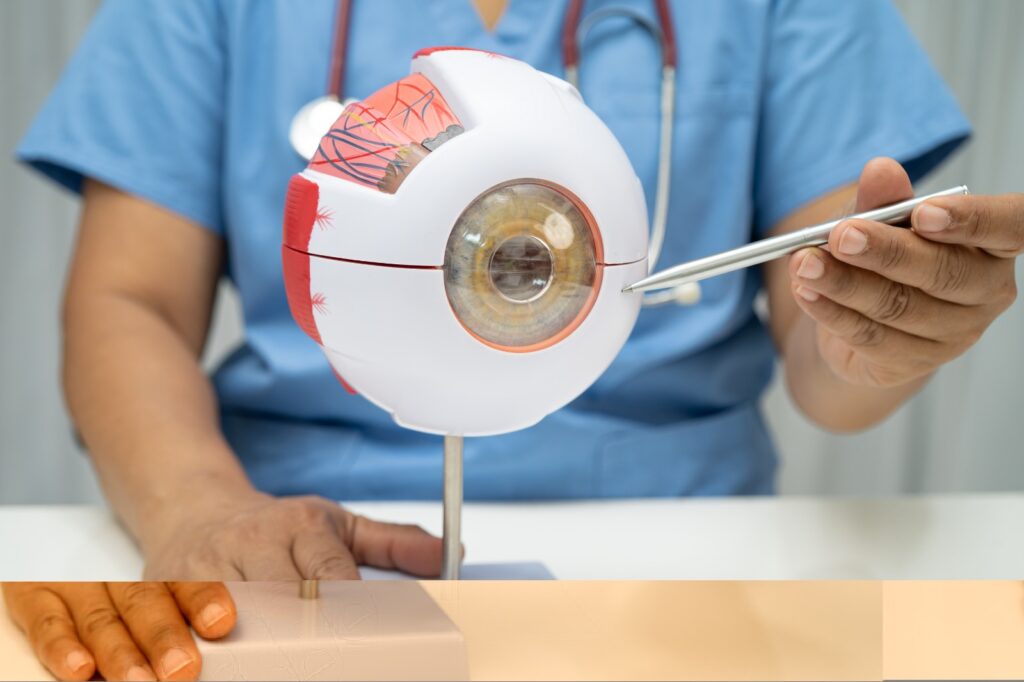
Vision Defects

Neuro-Ophthalmology Disorders: Understanding Main Symptoms

  • Eye Movement Abnormalities:
    Problems with eye movement, such as nystagmus (uncontrolled eye movements) or strabismus (misalignment of the eyes), can be symptoms of neuro-ophthalmological conditions. These issues often result from disruptions in the brain or nerves that control the eye muscles and can lead to difficulties with focus, depth perception, and coordination.
  • Headache and Eye Pain:
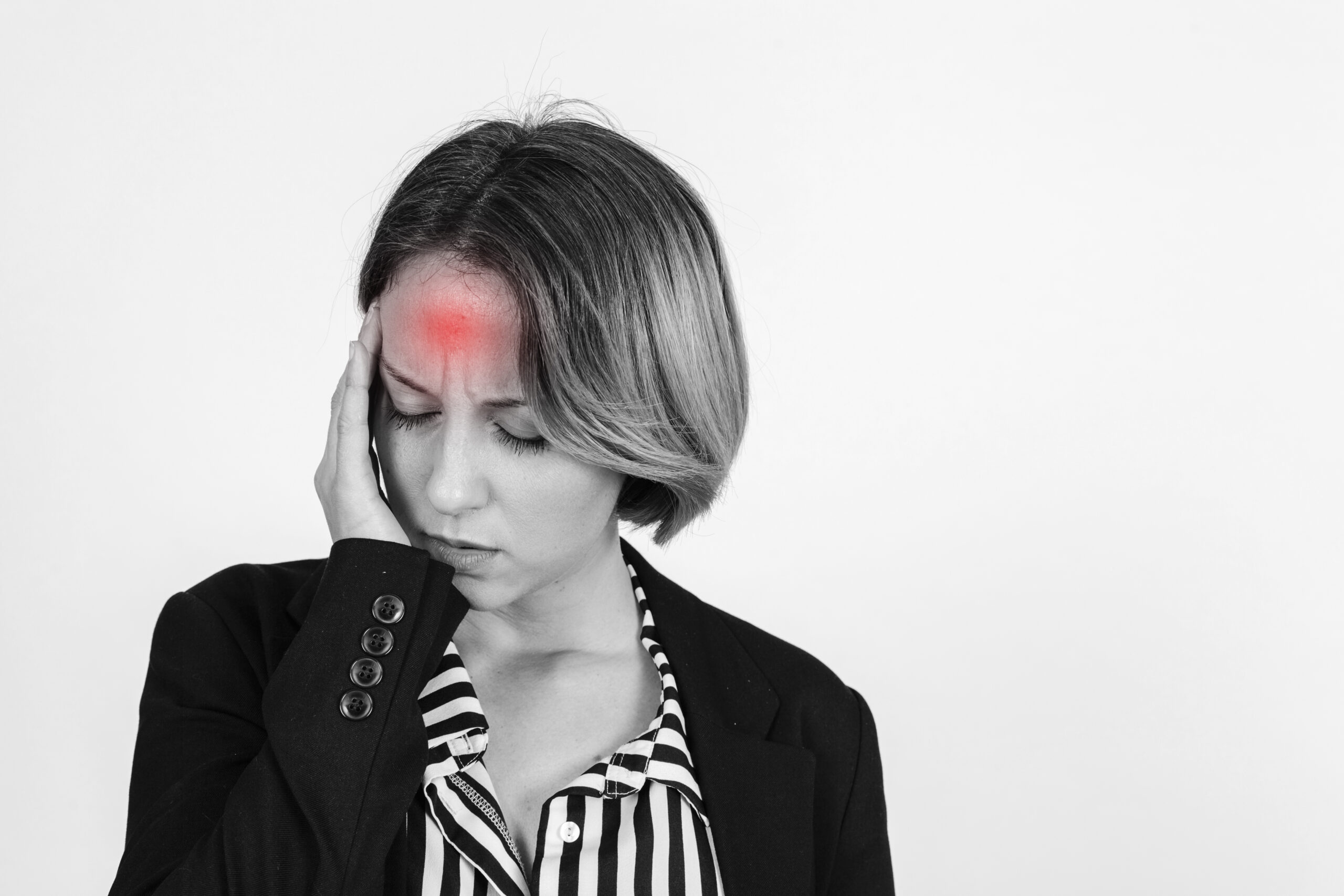
    While headaches are common and often benign, when combined with other visual symptoms, they can point to serious neuro-ophthalmological conditions. Conditions like giant cell arteritis, which is an inflammation of the blood vessels in the head, can cause severe headaches and vision problems, and require immediate treatment to prevent permanent vision loss.
  • Photophobia (Light Sensitivity):
    Increased sensitivity to light, known as photophobia, can also be a symptom. This can occur due to inflammation of the optic nerve or the brain, or from disorders that affect the cornea and the inner eye structures. It is often accompanied by other symptoms like blurred vision, eye pain, or headaches.
  • Visual Distortions:
    Patients may also experience visual distortions, such as seeing shimmering lights, flashing lights, or halos around objects. These symptoms can be linked to conditions like migraines with aura or retinal migraines, which have neurological origins.
neuro-ophthalmology disorders
Headache

Conclusion:


When to See a Specialist:

If you or someone you know is experiencing any of these symptoms, it’s essential to consult with a healthcare professional, particularly a neuro-ophthalmologist. Early diagnosis and treatment are crucial for preventing potential complications and preserving vision.
Neuro-ophthalmology disorders can be challenging to diagnose and manage due to their complex nature and overlap with neurological issues. Understanding the symptoms is the first step in seeking appropriate care. If you have any concerns about your vision or neurological health, don’t hesitate to schedule an appointment with a us at Anil Eye Hospital.

Recent Post

Stop the Blur? Finding Hope Best Keratoconus Treatment in Thane

Stop the Blur? Finding Hope Best Keratoconus Treatment in Thane

Best keratoconus treatment in Thane is now a reality for thousands of patients who previously had to cope with unclear and…

Dr. Anagha Heroor: Cornea Specialist in Thane

Dr. Anagha Heroor: Cornea Specialist in Thane

Cornea specialist in Thane, Dr. Anagha Heroor, has a rationale of treating patients with empathy, accurate identification, and vision restoration. Light…
Why is Macular Degeneration Surgery in Kalyan Rising?

Why is Macular Degeneration Surgery in Kalyan Rising?

Macular degeneration surgery in Kalyan is being recognized as a great place for advanced surgery, a condition that is becoming increasingly…


Share it :

Newsletter

Join 60,000+ Subscribers and get a new discount coupon every saturday

Latest Post

Book Appointment

Contact Form