


Lazy eye, also known as amblyopia, is a vision disorder that affects approximately 3% of children. It occurs when one eye is weaker than the other, and the brain begins to favor the stronger eye over time. This can result in decreased vision in the weaker eye, even with corrective lenses. If left untreated, lazy eye can cause permanent vision loss in the affected eye.

Causes:

Lazy eye can be caused by a variety of factors, including:

1. Strabismus: A condition in which the eyes are misaligned, resulting in one eye looking straight ahead while the other eye turns inward, outward, up, or down. The brain has difficulty combining the images from both eyes, resulting in a weaker connection between the eye and the brain.

2. Refractive errors: A condition in which the shape of the eye does not allow light to be properly focused on the retina. This can result in nearsightedness, farsightedness, or astigmatism, which can cause one eye to become weaker over time. 

3. Congenital cataracts: A clouding of the lens of the eye that is present at birth. This can cause the brain to favor the stronger eye over the weaker one. 

Amblyopia (lazy eye) treatment

Symptoms

Some common signs and symptoms include:

1. Poor depth perception: Difficulty judging the distance between objects. 

2. Eye fatigue: Feeling tired or strained after reading, writing, or doing other close-up work.

 3. Head tilting or turning: Adjusting the head position to see better. 

4. Squinting or closing one eye: Trying to improve vision in the stronger eye. 

5. Double vision: Seeing two images of the same object.

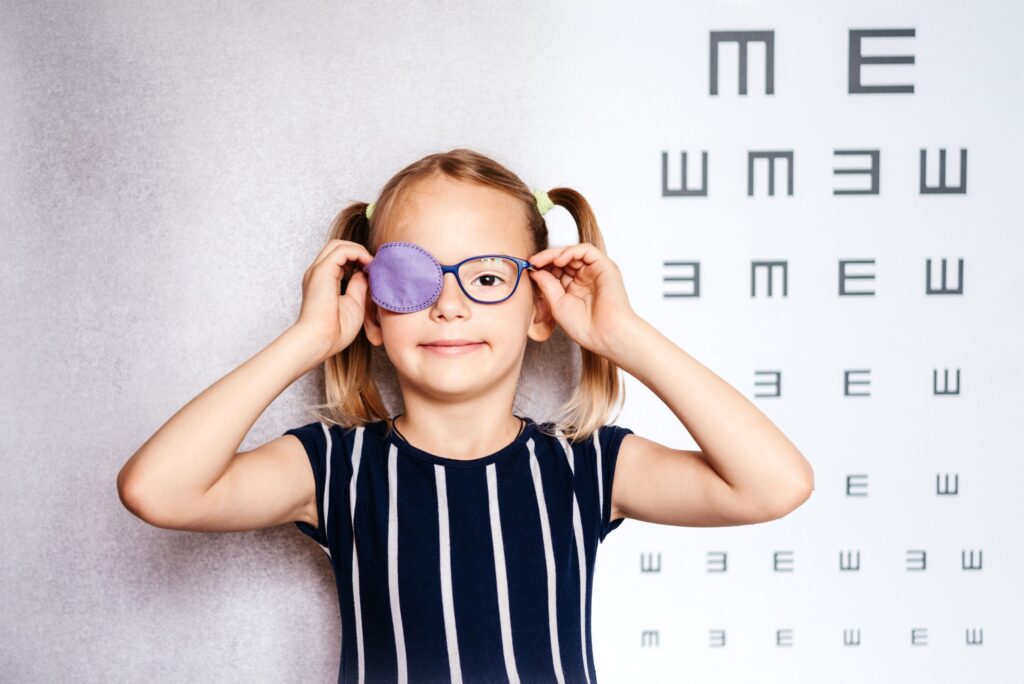
Vision after closing one eye

Treatment:

The earlier lazy eye is diagnosed, the easier it is to treat. Treatment options include:

1. Patching: Covering the stronger eye with a patch for a period of time each day, forcing the brain to use the weaker eye. 

2. Vision therapy: Exercises that help strengthen the weaker eye and improve eye coordination.

 3. Eyeglasses or contact lenses: Correcting any refractive errors can help improve vision in the weaker eye.

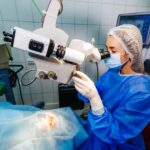
4. Surgery: In cases where strabismus is causing lazy eye, surgery may be necessary to realign the eyes.

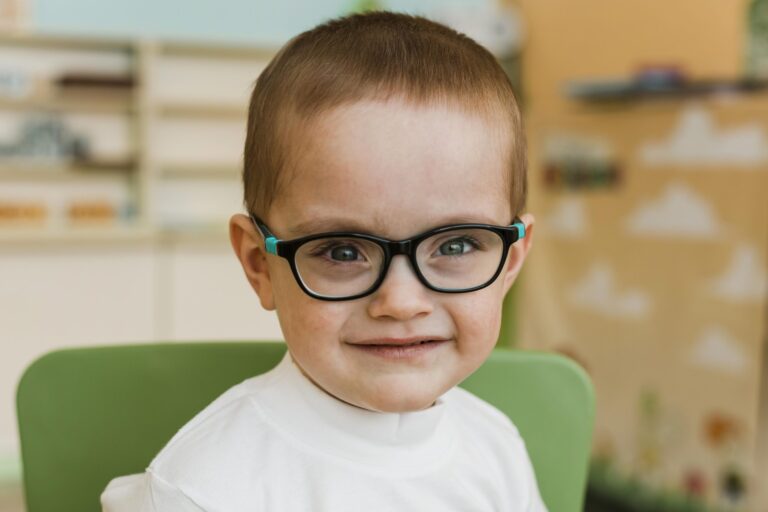
Using contact lenses or glasses

Prevention:


  1. Lazy eye can often be prevented by ensuring that children receive regular eye exams from an early age.
  2. If a child is diagnosed with a vision disorder, such as strabismus or refractive errors, it is important to treat it promptly to prevent the development of lazy eye.
  3. Parents should also encourage their children to spend time outdoors, as studies have shown that natural light can help prevent or reduce the severity of lazy eye.
Avoid screen time and have outdoor sports

In conclusion, lazy eye is a common vision disorder that can lead to permanent vision loss if left untreated. Early detection and treatment are key to preventing long-term vision problems. If you suspect that your child may have lazy eye, it is important to schedule an appointment with a paediatric ophthalmologist as soon as possible.

Recent Post

Stop the Blur? Finding Hope Best Keratoconus Treatment in Thane

Stop the Blur? Finding Hope Best Keratoconus Treatment in Thane

Best keratoconus treatment in Thane is now a reality for thousands of patients who previously had to cope with unclear and…

Dr. Anagha Heroor: Cornea Specialist in Thane

Dr. Anagha Heroor: Cornea Specialist in Thane

Cornea specialist in Thane, Dr. Anagha Heroor, has a rationale of treating patients with empathy, accurate identification, and vision restoration. Light…

Why is Macular Degeneration Surgery in Kalyan Rising?

Why is Macular Degeneration Surgery in Kalyan Rising?

Macular degeneration surgery in Kalyan is being recognized as a great place for advanced surgery, a condition that is becoming increasingly…


Share it :

Newsletter

Join 60,000+ Subscribers and get a new discount coupon every saturday

Latest Post

Book Appointment

Contact Form